Origins in Okinawa
Bite-sized translation note entries about Okinawan traditions! Check out the readings below to learn more.
A Brief Recap on Ryukyu's Tributary Relationship with China
Before the unification of the Ryukyu Kingdom, three kingdoms existed along the Ryukyu islands: Hokuzan (the north), Chūzan (the center), and Nanzan (the south). Before this unification, a tributary relationship with Ming Dynasty China was formed in 1372 with with Chūzan. Tributary relations are political-economic relationships that grant trade privileges, and do not entail direct political control.
This relationship arose from two primary reasons: curbing piracy into legal trade and circumventing China's own maritime prohibitions. Ryukyu's privileged tributary status allowed it to thrive as a legal trade hub. This led to significant cultural and economic growth, including Chinese immigration, educational exchanges, and the development of Naha as a major regional port. When Sho Hashi, the king of Chuzan, conquered and unified the three kingdoms from 1404-1429, tributary relations continued.
Hari (ハーリー) Dragon Boat Racing
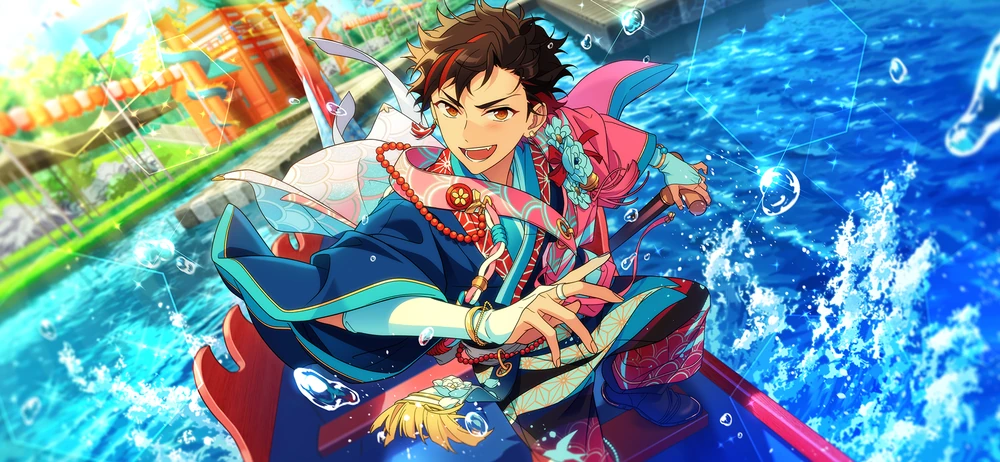
Before the unification of the Ryukyu Kingdom, the lord of Nanzan went abroad to study in China and brought back the tradition of dragon boat racing in the 14th century. This became a national maritime ritual in the kingdom to pray for fishermen's safety and bountiful catches. This ritual also spread throughout the smaller islands. Today, the Naha Hari is the largest dragon boat festival; this event takes place during Golden Week in May, and features large dragon boats called haryusen.
Related Readings


The Sanshin

The sanshin is a three-stringed lute that evolved from the Chinese sanxian in the 14th century. This instrument is the heart of Okinawan music, and is used as accompaniment in Ryukyuan theatre like kumiodori. Sanshin are made of snake skin (although now, they are often synthetic) and ebony wood. Even before the Satsuma invasion of Ryukyu (1609) brought Japanese control to the islands, the sanshin was exported to mainland Japan, where it evolved into the shamisen through differences in build and materials. Today, the sanshin is a primary symbol of Okinawan culture, and is heard everywhere from traditional performance to modern pop.
Related Readings


Bingata
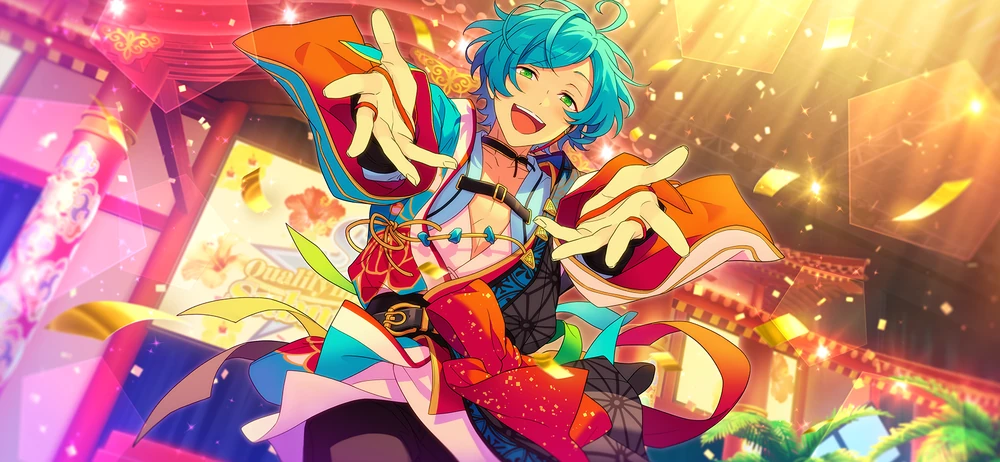
Bingata is a vibrant stencil-dyeing art that developed in the 14th and 15th centuries. Its ten-step process blends Chinese stencils, Japanese yuzen, and Indian and Javanese resist-dyeing techniques acquired through trade. Colors and patterns signified rank in the royal court hierarchy, and commoners were barred from wearing it. The art of bingata was nearly eradicated after the Battle of Okinawa (1945), but it was revived by resourceful artisans using makeshift materials, from lipstick for pigment to cartridge shells for tools. Today, the art is preserved as an Intangible Cultural Property (無形文化財; ICP), and is undergoing revival through the descendants of bingata artisans.
Related Readings


Karate
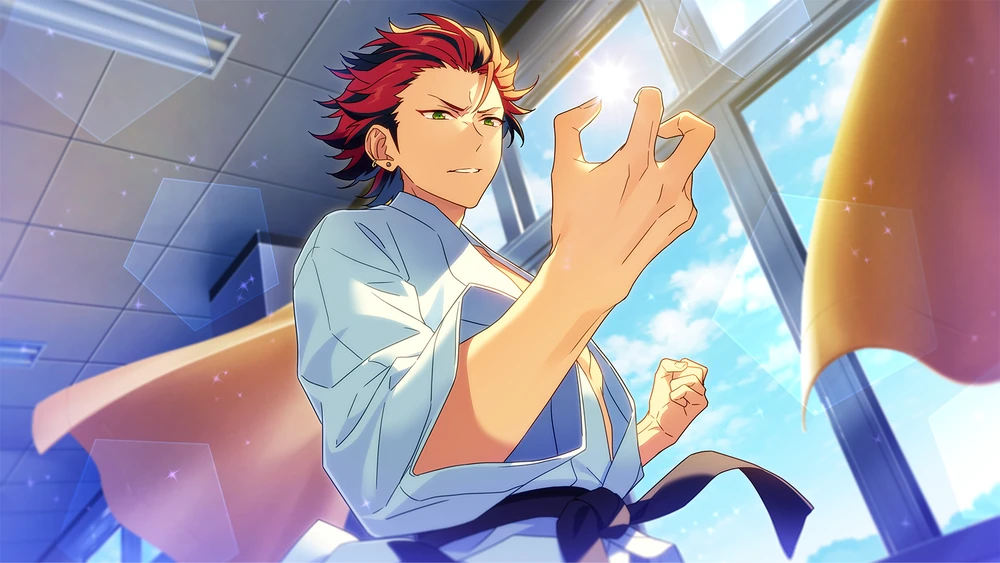
Karate originated from the cultural blend of indigenous Ryukyuan martial art ti (手) with the Chinese Fujian White Crane (白鶴拳) martial art. This blend of ti and Chinese arts formed Okinawan Te (沖縄手; Uchinaa-di), which later became known as 唐手 (kara-te; "Tang (Chinese) hand"). When karate was introduced to mainland Japan after a demonstration in 1922, the kanji for its name was changed in the 1930s from 唐手 to 空手 (kara-te; "empty hand") in order to redefine the art as a uniquely Japanese cultural practice. Today, karate has a worldwide legacy. In 2020, Okinawan karate (both kata and kumite) received global recognition as an Olympic sport.

